I. Application Background
(1) On-site Background
In the manufacturing process of high-end medical equipment, the internal module structure of the equipment is complex,
and extremely high requirements are placed on assembly accuracy and operational stability.
Issues such as loose screws and vibration caused by component contact may lead to abnormal noise, affecting the performance and reliability of the equipment.
(2) Customer Core Requirements
Problem Description: The loose screws are those used to fix the speaker; the vibration issue is the vibration generated
when the parts above the speaker come into contact with the cables above the speaker during installation.
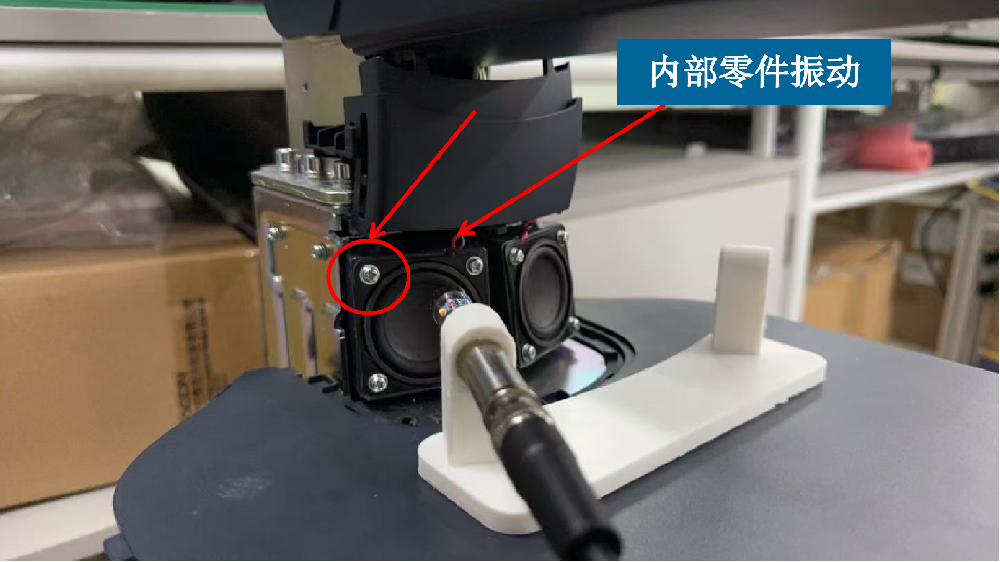
Figure 1: Schematic Diagram of Detection Object
① Rapidly locate internal abnormal sound sources;
② Distinguish different fault states;
③ Reduce maintenance costs and avoid overall module replacement;
④ Improve the objectivity and consistency of detection.
II. Detection Difficulties
① The internal structure is sealed, and the fault points cannot be observed directly;
② Environmental noise significantly affects weak abnormal sounds;
③ Traditional manual listening relies on experience, with a high error rate.
III. Solution and Detection Method
Using a sound vibration detector combined with a polarized microphone, high sampling rate collection is conducted on the sound vibration signals generated
during the equipment's operation, and environmental noise is suppressed through downsampling and frequency domain analysis.
IV. Explanation of On-site Detection Process
① Set different sampling rates for comparative testing;
② Extract the characteristic frequency bands corresponding to abnormal sound patterns;
③ Compare normal, loose screws, and various vibration combinations, etc.;
④ Establish a reproducible basis for sound pattern discrimination.
V. Detection Results and Effect Display
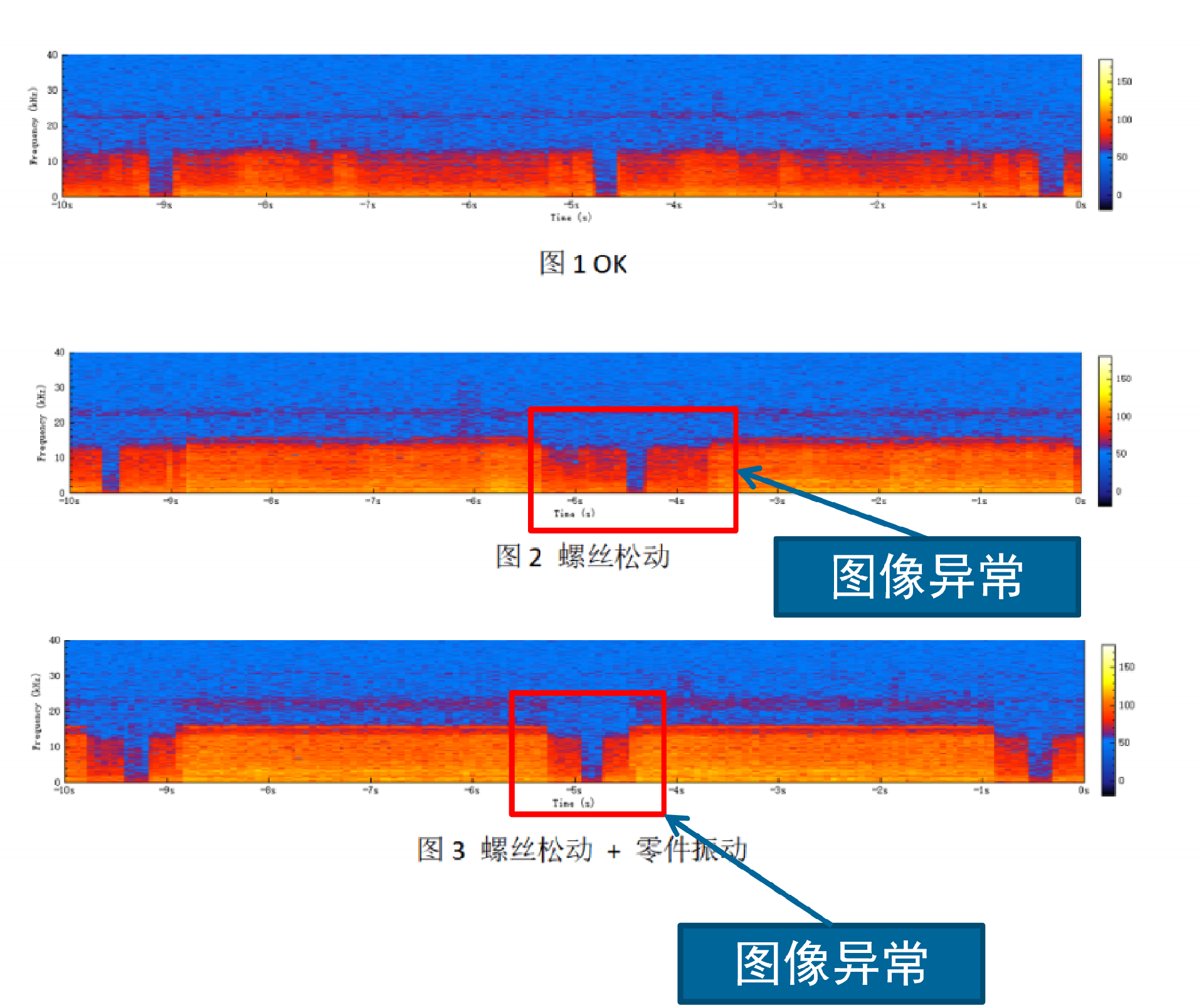
Figure 2 Time-frequency plot 1; Sampling rate of 125 kHz, no offset, no gain, no environmental noise
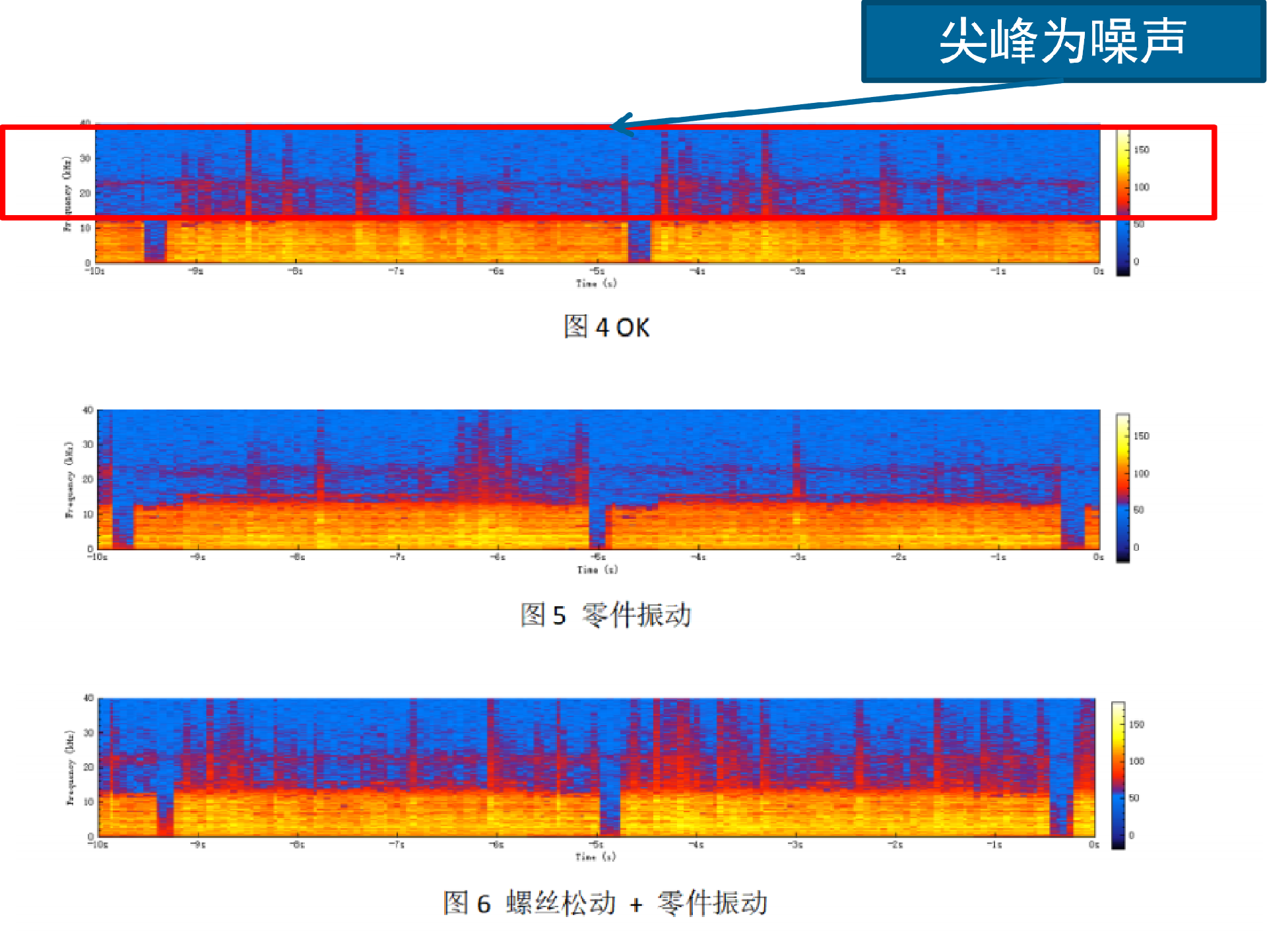
Figure 3 Time-frequency plot 2; 125 kHz sampling rate, no offset, no gain, with environmental noise
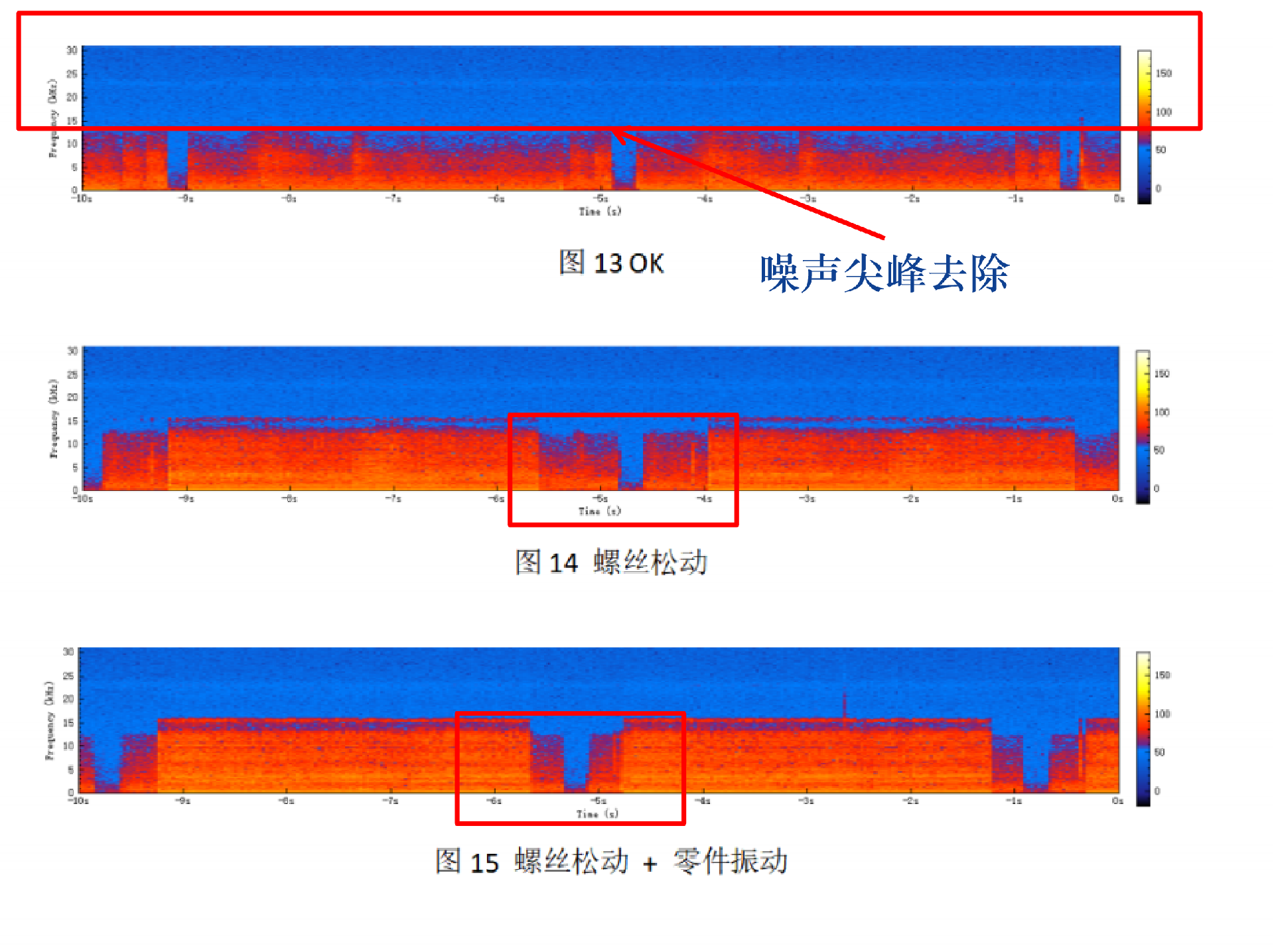
Figure 3 Time-frequency plot 2; 62.5kHz sampling rate, no offset, no gain, with environmental noise
Choose the downsampling method to filter out the noise. Reduce 125kHz to 62.5kHz
The results show that the sound frequencies caused by faults are all below 15kHz.
Using 62.5kHz can screen out the high-frequency part of the environmental noise.
It can distinguish among three states: OK, loose screw, and loose screw + part vibration, and the effect is quite obvious.
Economic benefits: By accurately locating the fault point, the entire module replacement can be avoided, significantly reducing maintenance costs.
VI. Customer Feedback
Customers recognize the practicality of this solution in fault location of high-value equipment and believe that it has the value to be promoted to the production and testing processes.