| Case Name: | Application Case of Underground Train Undercarriage Hidden Leakage Point Detection |
| Industry Field: | Rail Transit / Metro Maintenance |
| Detection Object: | Underground Ventilation Pipe System, Refrigerant Pipeline of Metro Train |
| Equipment Used: | 128-channel Acoustic Imaging Instrument (Model: AC-D128LK) |
| Detection Time: | December 2025 |
| Detection Location: | A Vehicle Center Department of the Metro |
I. Application Background
(1) Field Background
During the long-term operation of metro trains, parts such as wind pipe joints and refrigerant pipelines in
the undercarriage are prone to minor leaks due to vibration, aging, and installation deviations.
These leakage points are usually hidden, invisible to the naked eye, and have complex environmental noise.
Traditional methods like using soap water or stopping the train for inspection are inefficient.
(2) Core Customer Requirements
① Conduct rapid and extensive scanning to locate hidden leakage points.
② Use for routine inspections rather than passive troubleshooting after faults.
③ Cover all aspects: leakage of gas valves in the on-board distribution cabinet, gas leakage in the undercarriage ventilation pipes,
and refrigerant leakage in the refrigeration system.
II. Detection Challenges
① The leakage points are located in the undercarriage of the train, and the space is narrow.
② There are many pipes and joints, and using the method of applying soap water for point-by-point inspection is inefficient.
③ Minor leaks have no obvious sounds or odors in the early stage.
④ The environmental background noise is high.
III. Solution and Detection Method
Using the 128-channel acoustic imaging instrument leakage model (Model: AC-D128LK) independently developed by Wisono Technology Co., Ltd.,
a non-contact and visual sound source positioning method is adopted. The undercarriage key areas are scanned while the train is stationary.
Characteristics:
① No need to dismantle the pipelines;
② No need to apply leak detection fluid;
③ Can lock down abnormal sound sources in complex noise environments;
④ Real-time generation of acoustic images, visually displaying the location of the leakage.
IV. Description of the On-Site Detection Process
① Use a sound imaging device to conduct leakage detection inside the power distribution cabinet on the vehicle;
② Divide the train's undercarriage air ducts and refrigeration pipelines into areas;
③ Use the sound imaging device to quickly scan the suspected areas;
④ Identify abnormal sound sources through acoustic images;
⑤ Precisely locate the specific joint or pipe section;
⑥ Confirm the existence of a leak by applying soapy water;
V. Display of Detection Results and Effects
Detection Results: Successfully located the concealed leakage point.
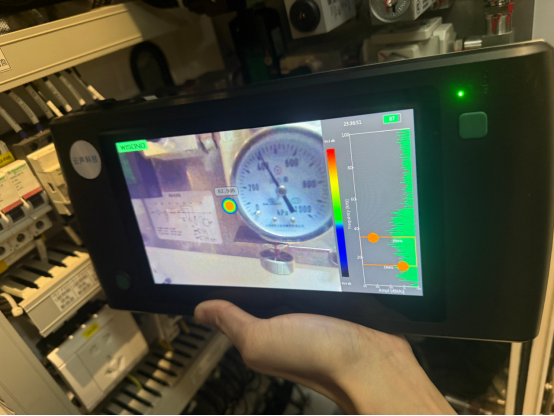
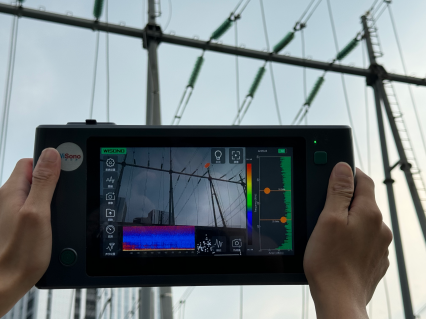
Figure 1: Leakage of the air valve inside the on-board distribution cabinet
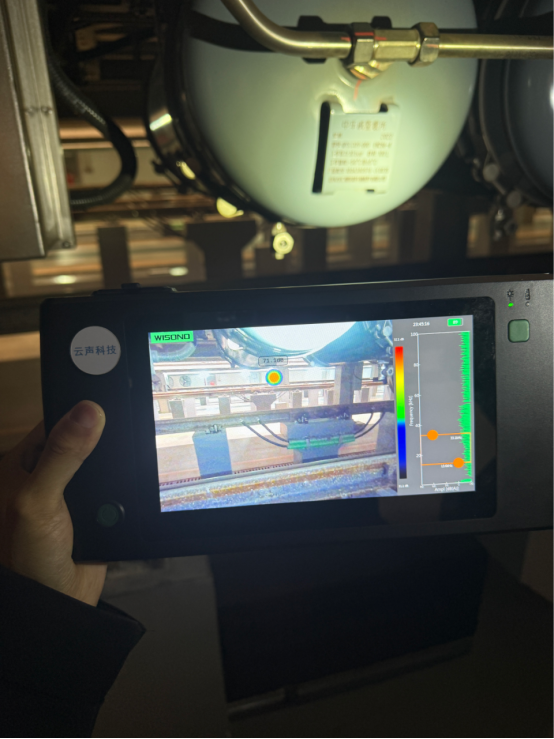
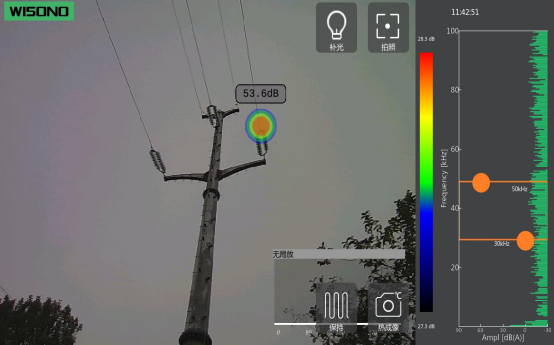
Figure 2: Leakage of compressed air from beneath the train
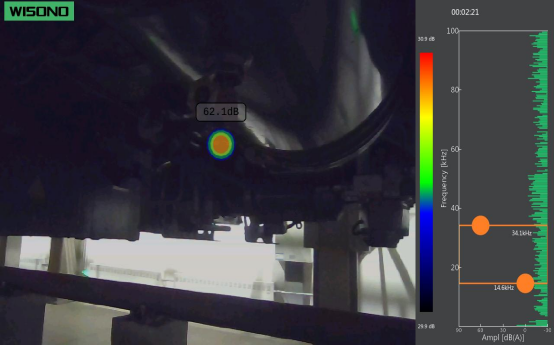
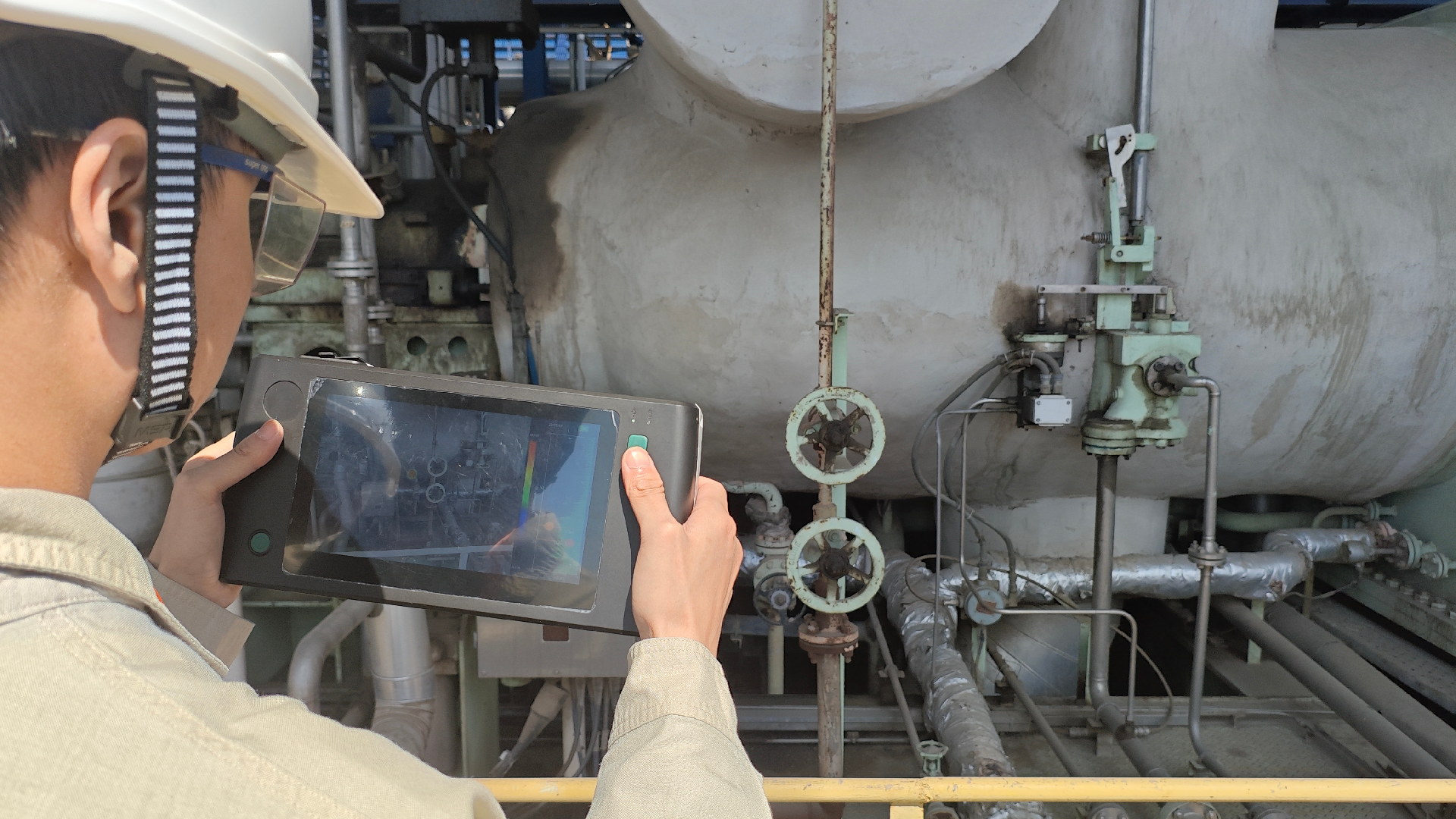
Figure 3 Refrigerant leakage from the train's undercarriage
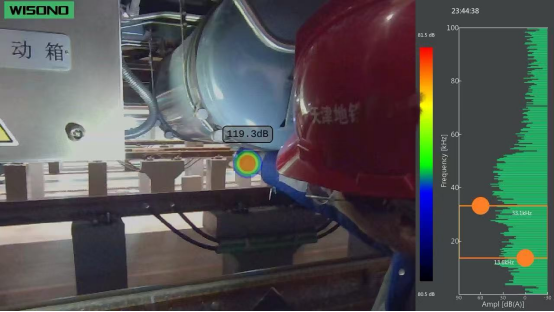
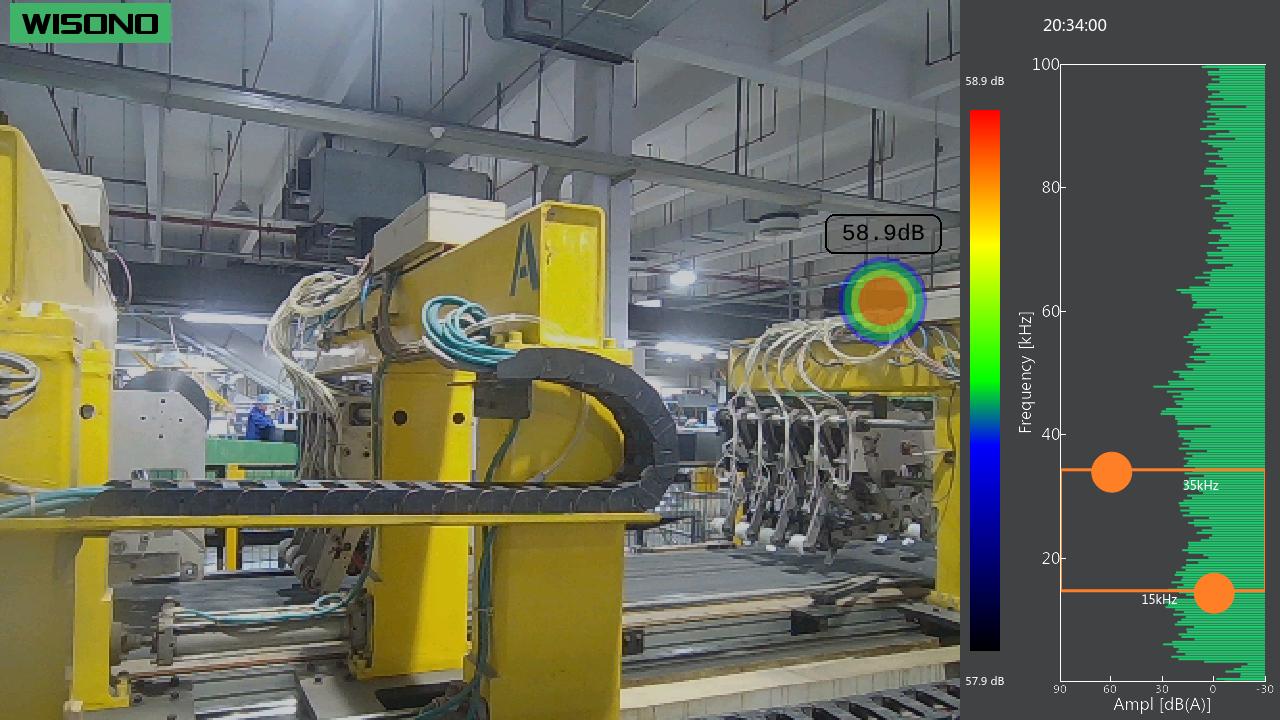
Figure 4 Compressed air leakage from the train's underside
VI. Customer Feedback
① The customer believes that this equipment is highly suitable for routine inspection scenarios and can effectively detect hidden leaks in advance.
② They highly praise the intuitive, rapid, and non-contact detection method of acoustic imaging.
③ They clearly stated that this equipment has engineering application and promotion value.