I. Application Background
(1) On-site Background
The motor, as the core power equipment in industrial systems, its operating condition directly
affects the stability of production. Common faults include imbalance, misalignment, and bearing wear.
(2) Customer Core Requirements
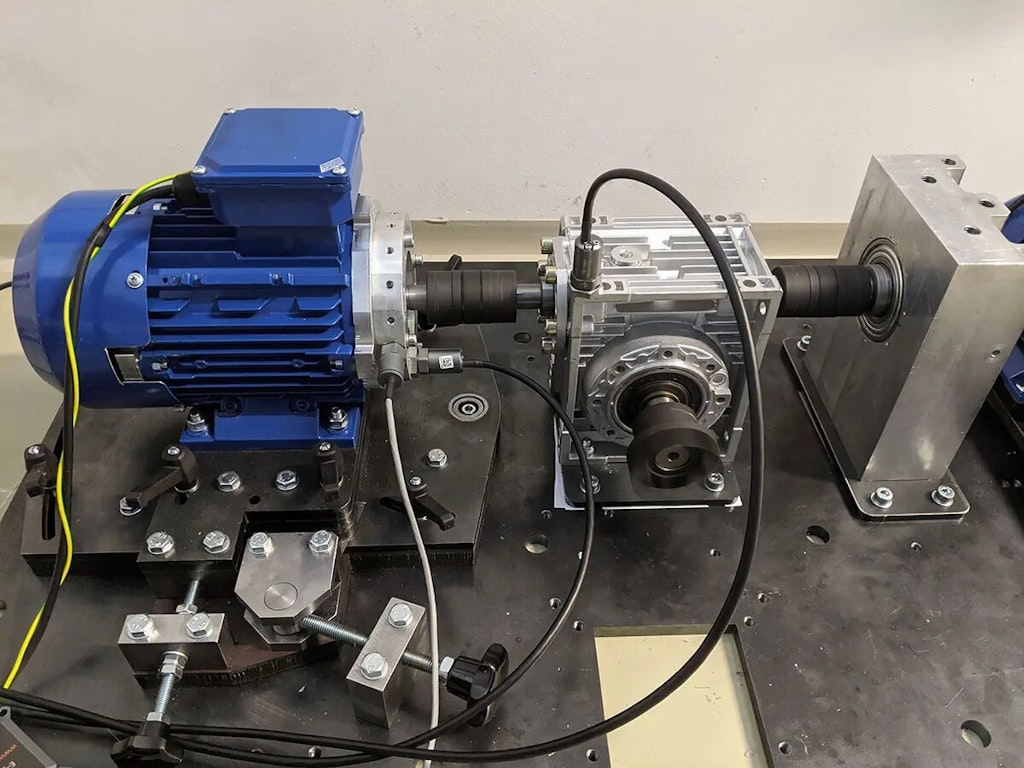
Figure 1: Schematic Diagram of Motor Monitoring
Motor parameters: 750W, 3000 revolutions per minute (50 Hz)
① Real-time monitoring of motor operation status;
② Provide clear alarm and warning mechanisms;
③ Support long-term monitoring and trend analysis.
II. Detection Challenges
① High rotational speed, complex vibration signals;
② Traditional detection is mostly periodic sampling, lacking real-time performance.
III. Solution and Detection Method
Scenario description:
The motor is connected to the gearbox and coupling, and two ASI-1xVIB-50g acceleration sensors are installed axially and radially on the motor shaft.
To display the motor status, we set acceleration and speed thresholds, and use three colors to represent three different states: green: normal state;
yellow: warning; red: alarm - the machine requires immediate maintenance. The color status indicates the operating condition.
IV. Explanation of On-site Detection Process
① Collect vibration data of the motor under different operating conditions;
② Perform spectrum analysis to identify the number and distribution of abnormal peaks;
③ Combine order analysis to determine the fault type.
V. Display of Detection Results and Effects
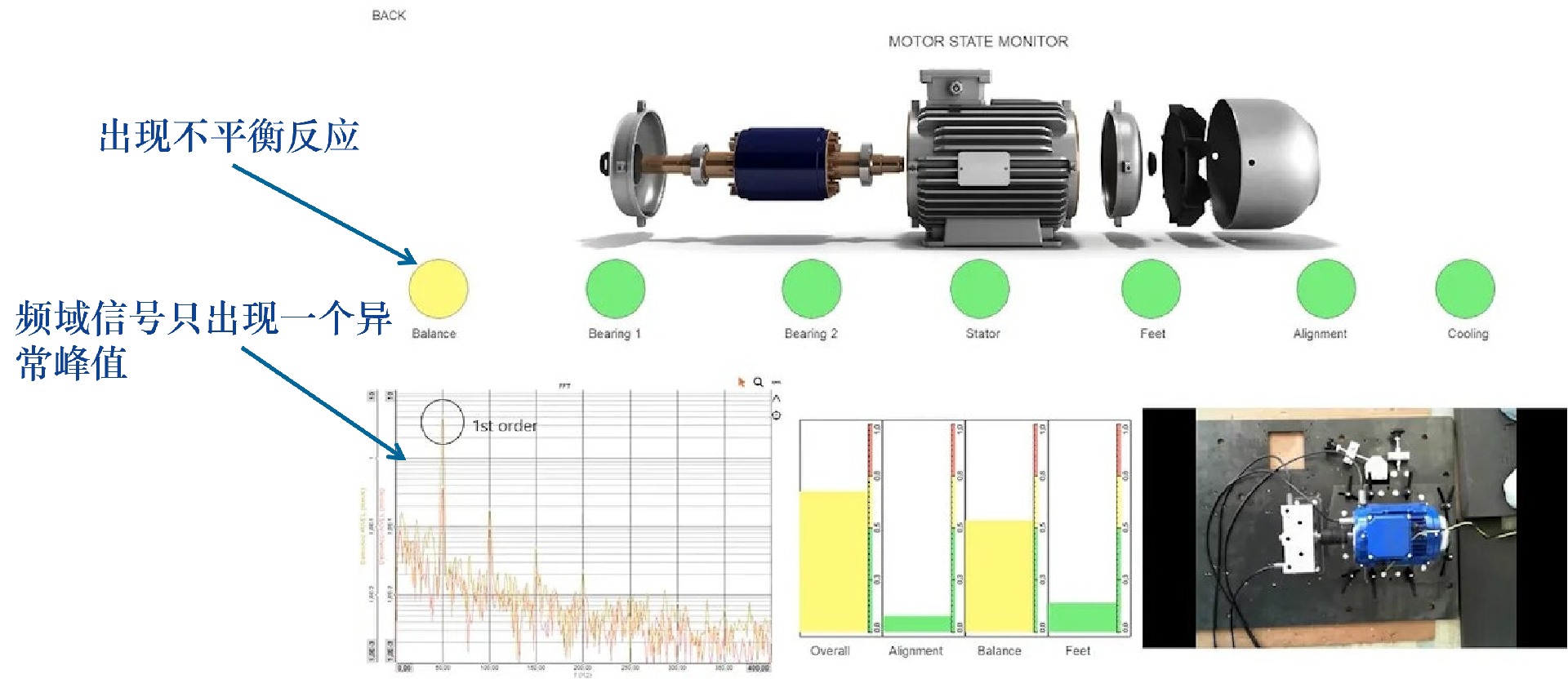
Figure 2 Unbalance State Monitoring
Unbalanced state: A single significant abnormal peak appears in the frequency domain;
Unbalance: Described by the uneven distribution of mass around the rotating shaft, which leads to centrifugal force, high vibration,
and shortened machine lifespan. And usually, only one abnormal peak appears in the frequency domain signal.
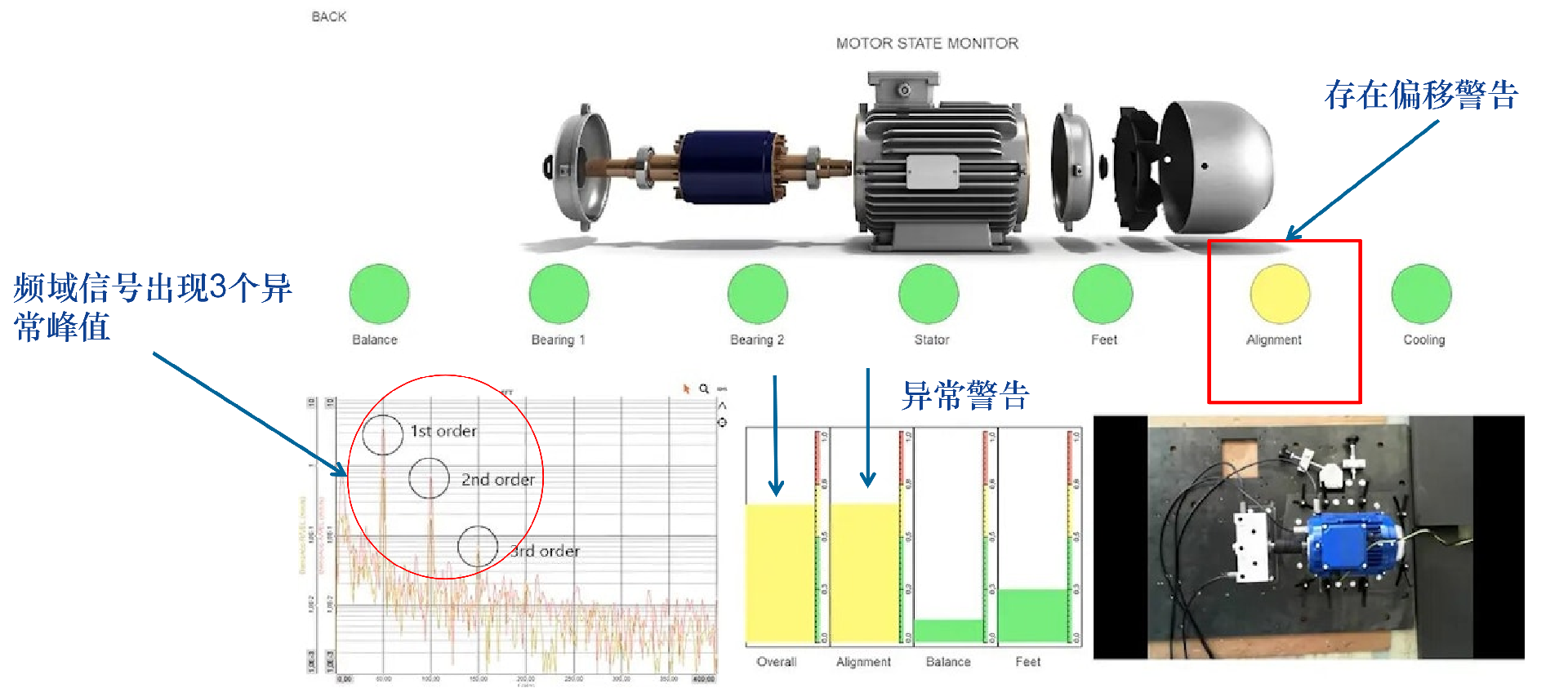
Out-of-center condition: Two to three abnormal peaks appear in the frequency domain;
Monitoring for rotor offset (i.e., out-of-center condition) usually shows two to three abnormal peaks in the frequency domain.
The system can clearly distinguish between normal, warning, and alarm states.
VI. Customer Feedback
The customer believes that this monitoring solution is intuitive and reliable, providing an important basis for motor condition management and maintenance decisions.